
Blog Archives
New Forest Heritage Trust
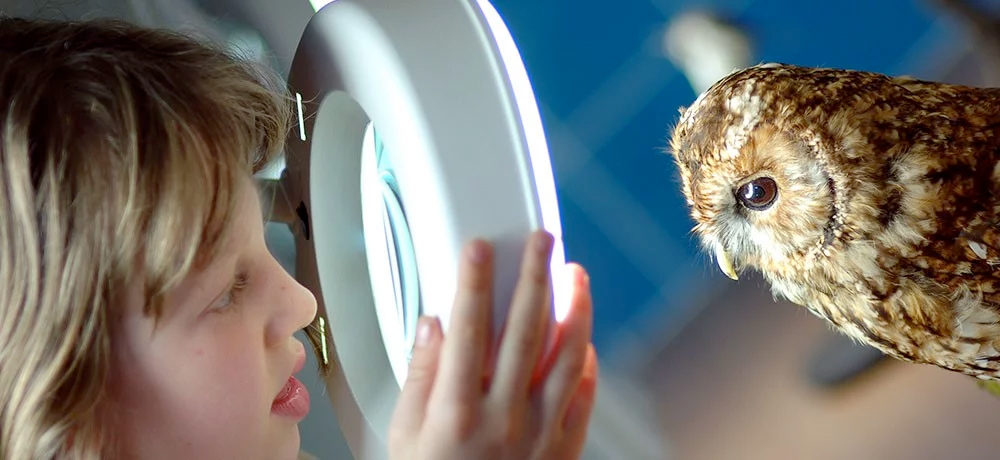 Love the Forest has awarded a grant to the New Forest Heritage Centre, a museum, gallery and reference library dedicated to sharing the history and traditions of the New Forest.
Located in Lyndhurst, the centre is free to enter and attracts more than 200,000 visitors a year. Its exhibits, collections and education service play a vital role in promoting conservation and educating visitors and residents.
The Heritage Centre also houses the Christopher Tower Reference Library which boasts one of the most comprehensive collections of material about the New Forest open to the public, including sections dedicated to individual towns and villages.
This grant will allow the New Forest Heritage Centre continue its vital work following a very difficult period where they have had to close due to lock down restrictions.
The New Forest Non-Native Plants Project
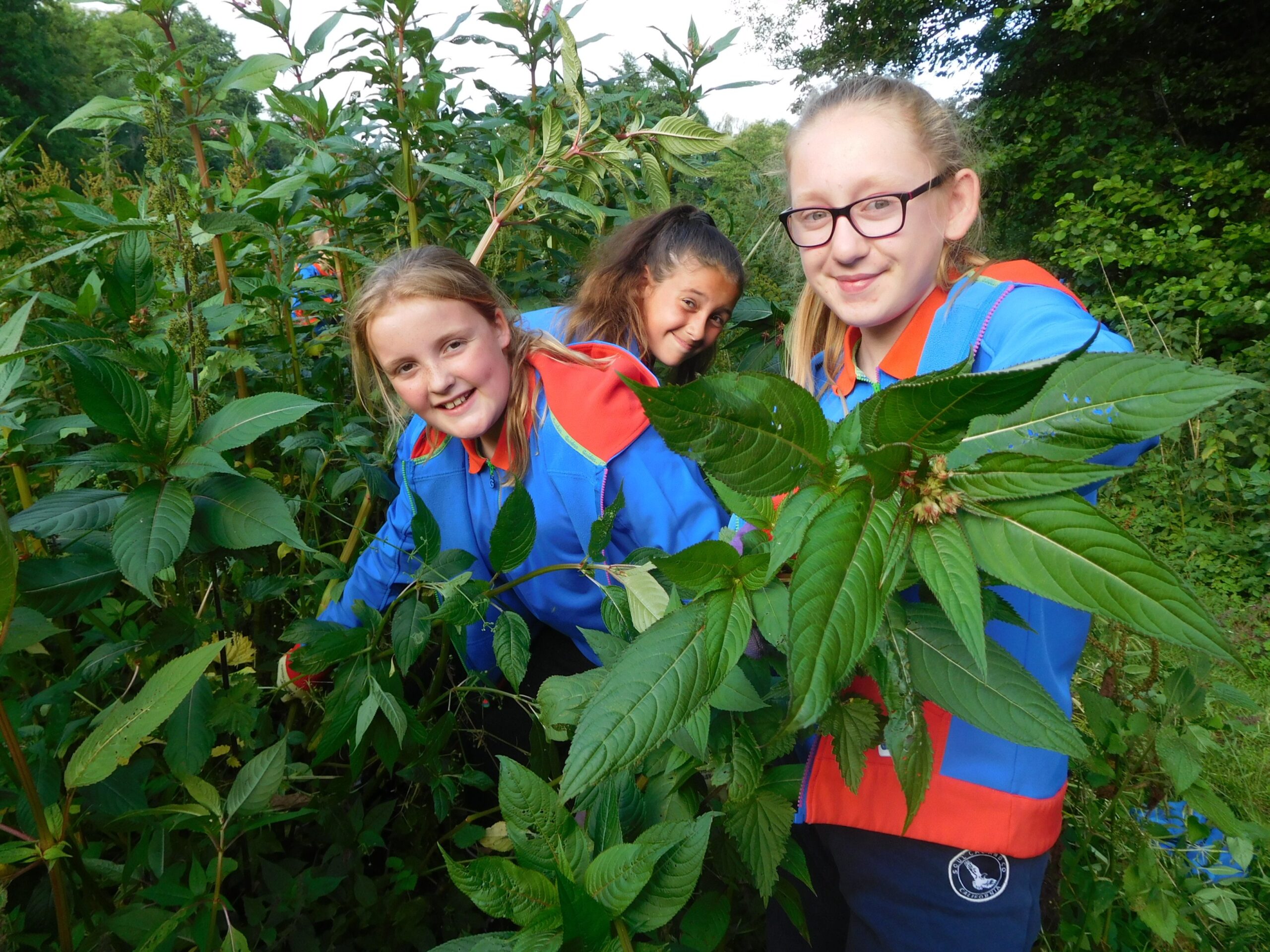 Love the Forest has awarded a grant of £5,000 to assist with work to remove invasive plants in the New Forest to help wildlife and waterways thrive.
The grant has been awarded to the New Forest Non-Native Plants Project (NFNNPP), which works to restore and conserve the Forest’s special habitats by stopping the spread of invasive non-native plants and raising awareness about the damage they cause to the environment and the economy.
The NFNNPP is a partnership project hosted by Hampshire & Isle of Wight Wildlife Trust and currently supported by the Our Past, Our Future Landscape Partnership Scheme, a National Lottery Heritage Fund scheme led by the New Forest National Park Authority, which ends this year.
It works with local communities and organisations and is supported by hundreds of volunteers who have helped remove huge swathes of invasive non-native plants such as Himalayan balsam, from New Forest riverbanks, allowing wild flowers to flourish.
Pennington Common Interpretation Boards
 We have awarded a grant to Lymington and Pennington Town Council to proved funding towards installing four interpretation boards at Pennington Common.
The key aim is to educate new and existing users to the Common about its unique status as Natural England’s SSSI while also being part of the New Forest National Park.
The Boards will contain information to educate visitors about the important history of the common and commoning, and to promote the protection of unique wildlife, flora and fauna that can be found on the Common and remind visitors about the importance of preserving and caring for the site when visiting.
John Muir Award – Wild is Everywhere
The New Forest Trust has recently awarded a grant toward the ‘John Muir Award – Wild is 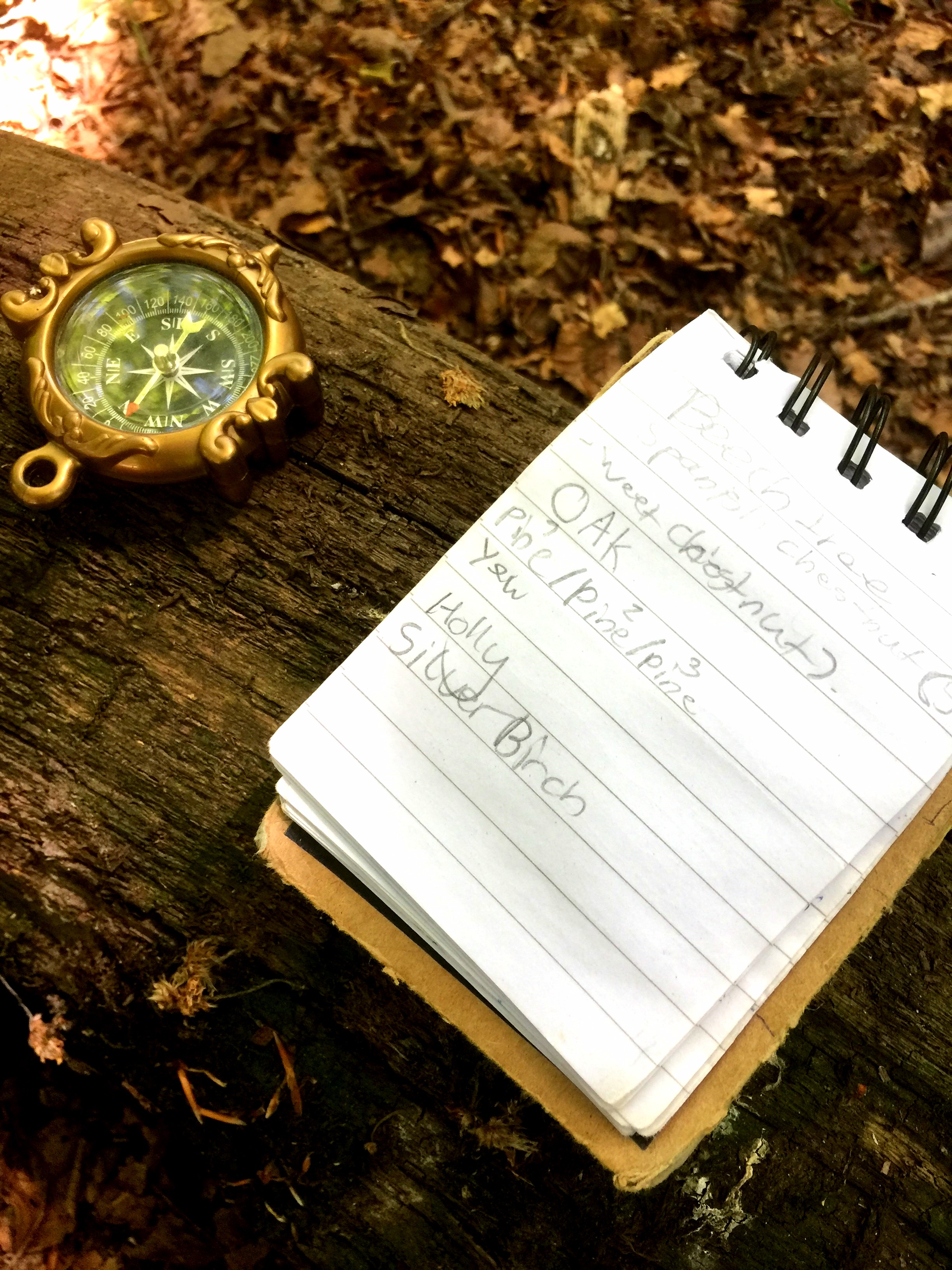 Everywhere’ project being run by the New Forest Home Educated Explorers group.
The Project will provide the local home education community with access to education, resources, training and specialist skills to run ‘Wild is Everywhere’ open education sessions.
Following a trial for the Discovery level of the John Muir Award which was successfully completed in 2018, they will also offer home educated children and families the opportunity to undertake the three levels of the John Muir Award.
Educating local and inner city children
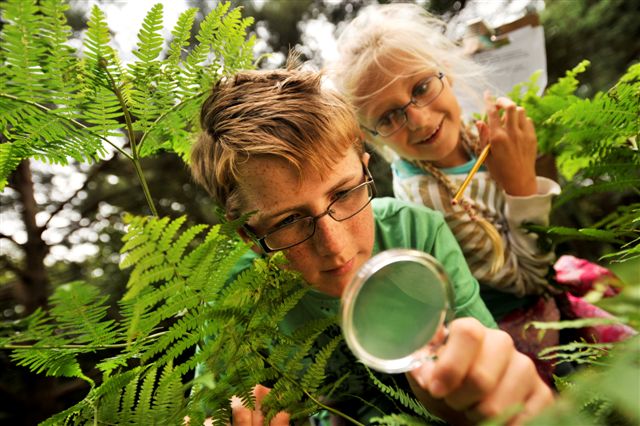 Our funding is helping over 3,300 children from local and inner city schools learn about the culture and heritage of the New Forest, become more aware of the importance of conservation and gain new skills.
Attending the education programme at the New Forest Heritage Centre the children take part in interactive sessions including outdoor group work, visits to the Verderers Court and opportunities to explore Museum handling collections.


